Residential Bathrooms are more than places to shower, brush your teeth, and get ready for the day. In Boca Raton homes, they also affect comfort, safety, resale appeal, water use, and long-term maintenance. A beautiful bathroom can feel like a private spa. A poorly planned one can create leaks, mold, slippery floors, bad lighting, and daily frustration.
That is why bathrooms remodeling should never start with tile samples alone. It should start with a clear plan. You need to think about who uses the bathroom, how much storage you need, what materials can handle South Florida moisture, whether permits are needed, and which upgrades will still make sense years from now.
This guide explains how to plan residential bathrooms for Boca Raton homes in a simple, practical way. You will learn layout ideas, cost factors, safety tips, material choices, permit basics, and mistakes to avoid before you begin.
What Are Residential Bathrooms?
Residential bathrooms are bathrooms inside private homes, condos, townhomes, and apartments. They can include primary bathrooms, guest bathrooms, powder rooms, ensuite bathrooms, kids’ bathrooms, and accessible bathrooms. The best residential bathroom is not only attractive. It should be safe, easy to clean, moisture-resistant, well-lit, properly ventilated, and designed for the people who use it every day.
In Boca Raton, residential bathrooms often need a different level of planning than bathrooms in colder or drier areas. The local climate, coastal air, condo rules, aging-in-place needs, and home resale expectations all matter. Boca Raton Remodeling Services states that its bathroom remodeling work includes master baths, guest baths, powder rooms, ensuite remodels, condo bathrooms, and luxury master suites across Boca Raton and Palm Beach County. bocaratonremodelingfl.com
A residential bathroom may be small, but it includes many systems in one tight space:
- Plumbing
- Electrical work
- Ventilation
- Waterproofing
- Tile and flooring
- Cabinetry
- Lighting
- Storage
- Safety features
- Finish materials
Because water, electricity, and daily foot traffic meet in the same room, small mistakes can become expensive. A weak shower pan, poor vent fan, slippery tile, or unpermitted plumbing change can create problems long after the remodel looks finished.
Why Residential Bathrooms Matter in Boca Raton Homes
Residential bathrooms matter because they affect daily comfort, home value, safety, and moisture protection. In Boca Raton, homeowners also need to think about humidity, salt air, condo or HOA rules, and future accessibility. A smart bathroom remodel can improve how the home feels now while making it easier to maintain later.
Many Boca Raton homeowners want bathrooms that feel bright, clean, calm, and high-end. But good design is not only about looks. A bathroom should work well in real life.
Think about these common pain points:
- The shower feels cramped.
- The tub is never used.
- The vanity has no storage.
- The lighting makes the room look dull.
- The floor feels slippery.
- The exhaust fan is weak or noisy.
- Grout lines stain too quickly.
- The layout does not fit aging parents or guests.
- The bathroom looks outdated compared with the rest of the home.
Search results for Boca Raton bathroom remodeling show strong local demand for luxury finishes, frameless glass, walk-in showers, vanity upgrades, and complete bathroom renovations. Competitor pages often highlight custom tilework, freestanding tubs, double vanities, integrated storage, and high-end shower enclosures. (Alan Cherry’s Classic Interiors)
The missed opportunity is simple: many homeowners do not just need inspiration. They need a clear decision guide. They want to know what is worth upgrading, what needs a permit, what lasts in a wet climate, and how to avoid hidden damage.
Best Types of Residential Bathrooms to Remodel
The best bathroom to remodel first is usually the one that creates the most daily stress or the highest risk. For many homeowners, that means the primary bathroom, an old guest bath, a tub-shower combo used by older adults, or a bathroom with signs of moisture damage. Start where function, safety, and comfort will improve most.
Here are the most common residential bathroom types in Boca Raton homes.
Primary Bathroom
A primary bathroom is often the best place for a larger investment. It affects daily routines and buyer impressions. Common upgrades include a larger walk-in shower, double vanity, improved lighting, freestanding tub, linen storage, and better ventilation.
Guest Bathroom
A guest bathroom should be durable, simple, and easy to clean. It does not always need luxury finishes, but it should feel fresh and practical. A tub-to-shower conversion may make sense if guests are mostly adults.
Powder Room
A powder room is small, but it can make a strong design statement. Since there is no shower, moisture risk is lower. That means homeowners can use bold wallpaper, dramatic lighting, decorative mirrors, or a floating vanity.
Kids’ Bathroom
A kids’ bathroom needs storage, strong surfaces, good lighting, and slip-resistant flooring. Avoid overly trendy finishes. Children grow fast, so choose a design that can mature with the home.
Aging-in-Place Bathroom
An aging-in-place bathroom is designed for long-term safety and comfort. It may include a curbless shower, grab bars, wider door clearance, non-slip flooring, a handheld shower, better night lighting, and a comfort-height toilet. The CDC says more than one out of four older adults falls each year, and falls are the leading cause of injury for adults ages 65 and older. (CDC)
How to Plan a Residential Bathroom Remodel
To plan a residential bathroom remodel, start with problems before products. List what does not work, who uses the space, what must stay, what can move, and how much you want to spend. Then decide the layout, materials, storage, lighting, waterproofing, ventilation, permits, and contractor scope before demolition begins.
A bathroom remodel should follow a clear order.
Step 1: Define the Real Problem
Do not begin with “I want a new bathroom.” Be more specific.
Ask:
- Is the shower leaking?
- Is the bathroom too small?
- Is the vanity too low?
- Is the lighting poor?
- Is the tub unused?
- Is there mold or moisture damage?
- Is the floor unsafe?
- Is storage the biggest issue?
- Is this for resale, comfort, or aging in place?
A remodel for resale may focus on clean, neutral, durable upgrades. A remodel for long-term living may focus more on comfort, storage, and accessibility.
Step 2: Choose the Scope
Most bathroom projects fall into three groups:
| Remodel Type | Best For | What Changes | Typical Complexity |
| Cosmetic refresh | Bathroom works but looks outdated | Paint, mirror, fixtures, vanity, hardware | Low |
| Partial remodel | One area is failing or outdated | Shower, vanity, toilet, lighting, tile section | Medium |
| Full remodel | Layout, waterproofing, plumbing, and finishes need work | Everything from demo to final inspection | High |
Boca Raton Remodeling Services lists a similar range, from cosmetic refreshes to full mid-range remodels and luxury master bathroom projects. (bocaratonremodelingfl.com)
Step 3: Build Around the Layout
Changing a bathroom layout can improve function, but it also raises cost. Moving drains, supply lines, electrical circuits, or walls usually adds labor and permit requirements.
Keep plumbing in place when:
- The layout already works.
- Budget is limited.
- You are doing a guest bath.
- The shower, toilet, and vanity locations are practical.
Consider changing the layout when:
- The toilet is too visible.
- The shower is too small.
- The vanity blocks movement.
- A tub is wasting space.
- You need a wheelchair-friendly plan.
- There is hidden damage behind walls or under flooring.
Step 4: Select Materials for Moisture First
Bathrooms are wet rooms. That means the best material is not always the prettiest one. Choose materials that handle moisture, cleaning, and everyday use.
Good options often include:
- Porcelain tile
- Quartz vanity tops
- Moisture-resistant cabinetry
- Mold-resistant wallboard in proper areas
- Quality exhaust fans
- Waterproof shower membranes
- Slip-resistant floor tile
- Corrosion-resistant hardware
Step 5: Confirm Permits Early
The City of Boca Raton uses Boca eHub for permitting, permit status, fee payment, inspections, and public records. (myboca.us) Palm Beach County also processes building permits for unincorporated areas through its Permit Center and ePZB portal. (Palm Beach County)
Not every cosmetic update needs a permit. But plumbing, electrical, mechanical, structural, or layout changes often do. Always confirm with the local building department or a licensed contractor before work starts.
Best Residential Bathroom Layout Ideas
The best bathroom layout depends on space, users, and budget. A strong layout keeps wet zones controlled, gives enough walking room, protects privacy, improves storage, and makes cleaning easier. In Boca Raton homes, walk-in showers, double vanities, private toilet areas, and bright ventilation-friendly layouts are especially popular.
Here are practical layout ideas for different bathroom sizes.
Small Bathroom Layout
For a small bathroom, keep the layout simple. Use a floating vanity, glass shower panel, large mirror, recessed medicine cabinet, and light wall colors. A curbless or low-curb shower can make the room feel larger, but it must be waterproofed and sloped correctly.
Best upgrades:
- Wall-mounted vanity
- Recessed storage
- Single-panel glass shower
- Large-format porcelain tile
- Bright layered lighting
- Pocket door if space is tight
Guest Bathroom Layout
A guest bathroom should be comfortable and simple. If the tub is rarely used, a tub-to-shower conversion may improve access and open the space. Add hooks, a niche, towel storage, and easy-clean surfaces.
Best upgrades:
- Walk-in shower
- Built-in shower niche
- Durable vanity
- Simple chrome or brushed nickel fixtures
- Slip-resistant tile
- Quiet exhaust fan
Primary Bathroom Layout
A primary bathroom can feel like a retreat, but it should still function well. Do not let a freestanding tub take over the room if you rarely use it. Many homeowners get more daily value from a larger shower, double vanity, private toilet area, and better storage.
Best upgrades:
- Large walk-in shower
- Double vanity
- Makeup or grooming lighting
- Linen tower
- Private toilet room
- Freestanding tub only if space allows
- Heated towel bar or comfort feature if budget allows
Aging-in-Place Layout
For aging in place, plan before there is an emergency. The National Association of Home Builders suggests clear turn spaces of at least 5 feet by 5 feet in key areas, including bathrooms, where possible. (National Association of Home Builders)
Best upgrades:
- Curbless shower
- Shower bench
- Handheld showerhead
- Blocking inside walls for grab bars
- Wider doorway where possible
- Lever handles
- Motion or night lighting
- Non-slip flooring
Cost of Residential Bathrooms Remodeling in Boca Raton
Bathroom remodeling cost depends on size, scope, finishes, layout changes, permits, labor, and hidden conditions. A simple refresh costs much less than a full gut remodel. A luxury primary bathroom with custom tile, glass, plumbing changes, and premium fixtures can cost much more than a guest bathroom update.
Boca Raton Remodeling Services gives broad local reference ranges: about $5,000–$15,000 for a cosmetic refresh, $20,000–$45,000 for many full mid-range remodels, and $50,000–$100,000+ for luxury primary bathrooms. These are general ranges, not fixed quotes. (bocaratonremodelingfl.com)
National cost reports can also help homeowners understand the market. The 2025 Cost vs. Value Report compares average costs and resale value for remodeling projects across U.S. markets. (Journal of Light Construction)
Bathroom Remodel Cost Drivers
| Cost Factor | Why It Matters |
| Bathroom size | More square footage means more tile, labor, waterproofing, and finish material |
| Plumbing changes | Moving drains or supply lines adds licensed trade work |
| Electrical changes | New lighting, outlets, fans, or circuits may need permits |
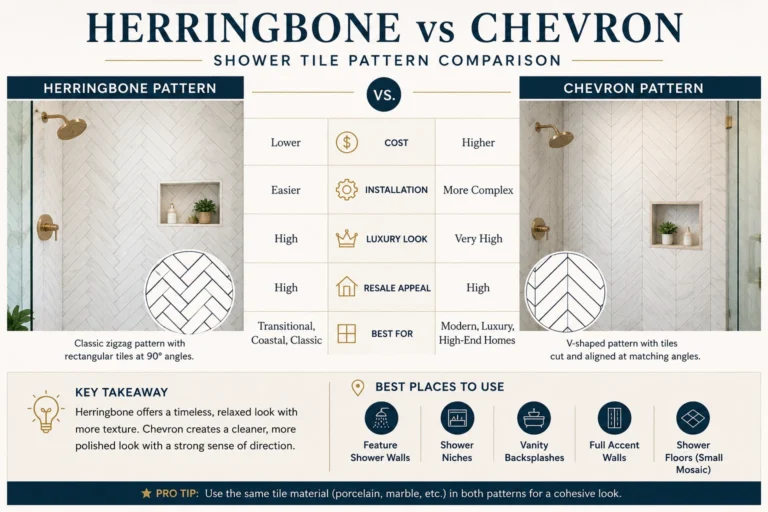
| Tile selection | Large-format tile, natural stone, and detailed patterns increase labor |
| Shower system | Custom showers need waterproofing, slope, drain planning, and glass |
| Vanity type | Custom cabinets cost more than stock vanities |
| Hidden damage | Rot, mold, or failed waterproofing can add repair work |
| Condo rules | Elevator bookings, HOA hours, and debris rules can affect scheduling |
The safest way to budget is to separate “must-have” work from “nice-to-have” upgrades. For example, waterproofing, ventilation, safe electrical work, and solid plumbing should come before decorative extras.
Best Materials for Residential Bathrooms in South Florida
The best materials for Boca Raton residential bathrooms are moisture-resistant, easy to clean, durable, and timeless. Porcelain tile, quartz counters, quality waterproofing membranes, corrosion-resistant fixtures, and moisture-resistant cabinetry usually perform better than delicate materials that require heavy maintenance.
Flooring
Bathroom flooring should be slip-resistant and water-friendly. Polished tile may look beautiful, but it can become slick when wet. Look for floor tile designed for wet areas.
Good choices include:
- Matte porcelain tile
- Textured porcelain tile
- Small mosaic tile for shower floors
- Luxury vinyl only in dry bathroom zones if properly installed
- Natural stone only if you accept sealing and maintenance
Shower Walls
Porcelain tile is often a strong choice because it resists water and stains better than many porous materials. Large-format tile can reduce grout lines, but it needs skilled installation.
Vanity Tops
Quartz is popular because it is durable, clean-looking, and lower maintenance than many natural stones. Natural stone can work, but it needs sealing and care.
Cabinets
Avoid low-quality particleboard in wet bathrooms. Moisture-resistant plywood, sealed wood, PVC, or high-quality engineered cabinetry can last longer in humid spaces.
Fixtures
EPA WaterSense labeled bathroom sink faucets use a maximum of 1.5 gallons per minute and can reduce sink water flow by 30% or more compared with the standard 2.2 gallons per minute, without sacrificing performance. (US EPA) WaterSense also covers toilets, showerheads, faucets, and other products through EPA-labeled efficiency standards. (The Department of Energy’s Energy.gov)
Waterproofing and Ventilation: The Hidden Parts That Matter Most
Waterproofing and ventilation are two of the most important parts of any bathroom remodel. Tile is not the same as waterproofing. A shower needs a proper waterproof layer behind the finished surface. A bathroom also needs ventilation that removes moisture before it damages walls, ceilings, cabinets, and grout.
Many homeowners spend time choosing tile but do not ask what is behind it. That is risky. The parts you cannot see often decide whether the bathroom lasts.
Waterproofing Basics
A proper shower system should include:
- Correctly prepared substrate
- Waterproof membrane
- Sealed corners and seams
- Proper curb or curbless slope
- Correct drain connection
- Flood testing where required or recommended
- Tile installed over the approved system
At Boca Raton Remodeling Services, we don’t leave anything to chance behind the walls. We apply advanced waterproof membrane systems to all shower walls and floors, and we strictly flood-test every single shower pan before a single piece of tile is installed. This is the exact kind of rigorous, non-negotiable process you should look for when hiring a contractor to protect your home from South Florida’s humidity.
Ventilation Basics
Bathroom ventilation controls steam, odors, and moisture. The 2023 Florida Mechanical Code states that occupied spaces must be ventilated by natural or mechanical means. (ICC Digital Codes) Older Florida building guidance also warns that bathroom exhaust fans should vent outside, not into an attic or crawl space, because poor ventilation can add to moisture problems. (buildingasaferflorida.org)
Ask these questions:
- Does the fan vent outdoors?
- Is the fan sized for the room?
- Is it quiet enough that people will use it?
- Should it include a humidity sensor?
- Is there enough makeup air under the door?
- Is the shower enclosed in a way that traps steam?
A bathroom that looks expensive but traps moisture is not a good remodel.
Safety and Aging-in-Place Bathroom Ideas
A safe residential bathroom reduces slipping, tripping, reaching, and stepping over high barriers. Aging-in-place features are not only for seniors. Curbless showers, better lighting, grab bar blocking, shower benches, handheld showerheads, and non-slip flooring can help children, guests, injured adults, and older homeowners.
Bathrooms are one of the most important rooms for fall prevention. The CDC’s home fall prevention checklist recommends non-slip mats or self-stick strips in tubs and showers, grab bars next to and inside tubs, and grab bars near toilets where support is needed. (CDC) The National Institute on Aging also recommends grab bars near toilets and on both the inside and outside of tubs and showers. (National Institute on Aging)
Smart Safety Upgrades
- Curbless or low-threshold shower
- Slip-resistant floor tile
- Built-in or fold-down bench
- Handheld showerhead
- Good lighting from bedroom to bathroom
- Grab bars or future grab bar blocking
- Lever-style faucet handles
- Comfort-height toilet
- Easy-reach storage
- Shower controls near the entry
The U.S. Access Board notes that ADA Standards do not require a vertical grab bar at bathing fixtures, but vertical bars can be helpful when stepping into tubs or showers. (Access Board) For private homes, the goal is not always strict ADA compliance. The goal is a safer, easier bathroom that fits the homeowner.
Permits, Codes, and Contractor Checks
Bathroom permits depend on the work being done. Cosmetic updates may be simple, but plumbing, electrical, ventilation, structural changes, shower relocations, and layout changes often need permit review. Boca Raton homeowners should confirm requirements early and verify contractor licensing before signing a remodeling contract.
Permits protect homeowners because they require review and inspections for work that can affect safety. The City of Boca Raton uses Boca eHub for permit applications, status checks, fee payments, inspections, and public records. (myboca.us)
Florida homeowners can also use the Florida Department of Business and Professional Regulation license search to verify licensed businesses and professionals. (MyFloridaLicense)
Common Bathroom Work That May Need Review
Always confirm locally, but these items often trigger permit needs:
- Moving plumbing lines
- Moving drains
- Adding or moving electrical outlets
- Installing new circuits
- Changing ventilation systems
- Structural wall changes
- Major shower rebuilds
- Layout changes
- Condo work involving shared systems
Contractor Questions to Ask
Before hiring a bathroom remodeling contractor, ask:
- Are you licensed and insured in Florida?
- Who pulls permits?
- Will plumbing and electrical work be handled by licensed trades?
- What waterproofing system do you use?
- Do you flood-test shower pans?
- How do you handle hidden moisture damage?
- What is included in the written estimate?
- How are change orders approved?
- What is the expected timeline?
- What workmanship warranty is provided?
Do not choose a contractor only because of the lowest price. The cheapest quote may skip waterproofing, ventilation, permits, or proper substrate work. Those missing steps can cost more later.
Bathroom Remodeling Mistakes to Avoid
The biggest bathroom remodeling mistakes are planning around style only, ignoring ventilation, choosing slippery flooring, skipping waterproofing, underestimating storage, moving plumbing without a strong reason, and hiring without checking license and permit responsibility. A good remodel balances beauty, safety, durability, and code-aware workmanship.
Mistake 1: Choosing Tile Before Layout
Tile is fun. Layout is more important. If the shower is too small or the vanity blocks the doorway, expensive tile will not fix the daily problem.
Mistake 2: Forgetting Storage
Bathrooms need storage for towels, toiletries, cleaning supplies, medicine, hair tools, and extra paper goods. Add niches, drawers, linen towers, recessed cabinets, and hidden outlets where possible.
Mistake 3: Using the Wrong Floor Tile
Glossy tile can be dangerous when wet. Choose a tile surface made for bathroom floors.
Mistake 4: Keeping an Unused Tub
Many homeowners keep a tub because they think buyers want it. That may be true in some family homes, but an unused primary tub can waste space. In many adult-focused homes, a larger shower may provide more daily value.
Mistake 5: Ignoring Lighting
One ceiling light is rarely enough. Use layers:
- Vanity lighting
- Recessed ceiling lighting
- Shower-rated lighting
- Night lighting
- Accent lighting where useful
Mistake 6: Not Planning for Future Needs
Even if you do not need grab bars now, adding wall blocking during a remodel can make future installation easier. This is a small planning step that may save major work later.
Mistake 7: Skipping Written Details
A bathroom contract should explain scope, materials, allowances, payment schedule, timeline, permits, warranty, and change order process. Verbal promises are not enough.
Residential Bathroom Ideas for Boca Raton Style
Boca Raton bathroom style often blends coastal brightness, modern luxury, clean lines, and practical comfort. The best designs feel fresh without becoming trendy too fast. Use warm neutrals, durable tile, natural textures, soft lighting, quality glass, smart storage, and moisture-safe materials.
Here are design ideas that work well in many Boca Raton homes.
Modern Coastal Bathroom
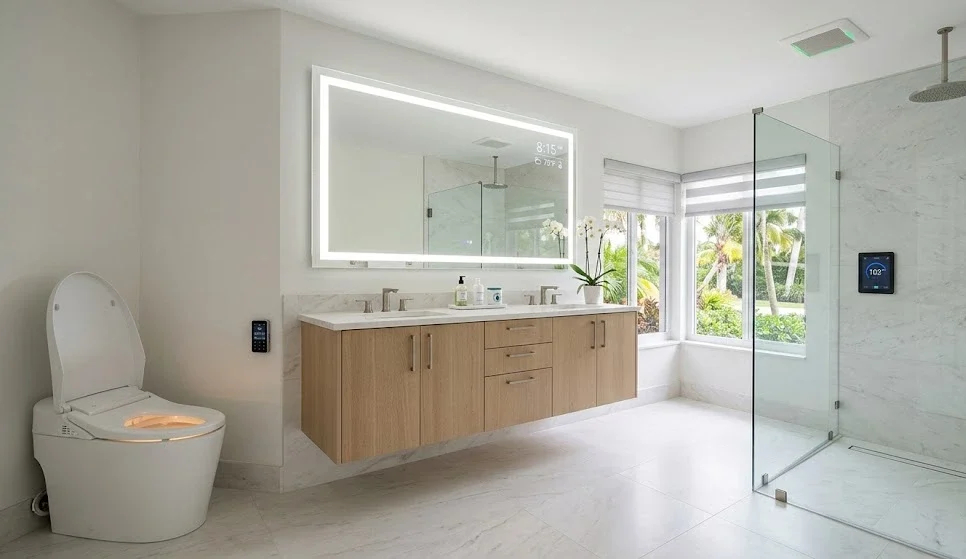
Use soft white, sand, warm gray, brushed nickel, light oak, and textured porcelain. Add a frameless glass shower to keep the room open.
Spa-Like Primary Bathroom
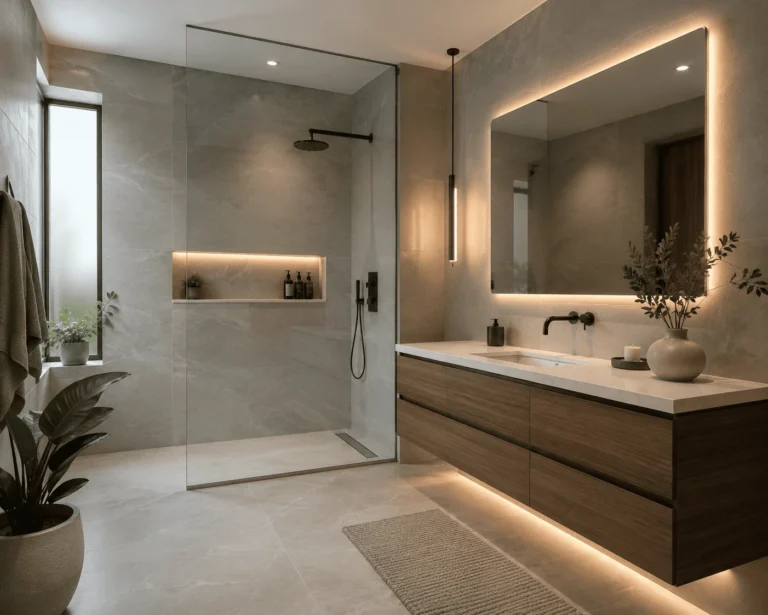
Use a large shower, rain head, handheld shower, bench, niche, warm lighting, quartz vanity, and calm stone-look tile. Keep the design simple and relaxing.
Luxury Condo Bathroom
Use large-format tile, floating vanity, wall-mounted fixtures, LED mirror, and custom glass. Plan carefully around HOA work hours, elevator use, and debris removal.
Classic Boca Bathroom
Use marble-look porcelain, chrome fixtures, shaker vanity, white walls, and polished details. This style feels elegant without being too risky for resale.
Accessible Modern Bathroom
Use a curbless shower, linear drain, bench, handheld shower, stylish grab bars, wide entry, and non-slip flooring. A safe bathroom can still look high-end.
Simple Residential Bathroom Remodel Checklist
A bathroom remodel checklist helps homeowners stay organized from idea to final walkthrough. It should cover goals, budget, layout, permits, materials, waterproofing, ventilation, lighting, storage, safety, contractor checks, and final inspection. A checklist reduces stress and helps prevent costly missed details.
Use this before your project starts:
- Define the bathroom type.
- List the top three problems.
- Decide cosmetic, partial, or full remodel.
- Set a realistic budget range.
- Add a contingency for hidden issues.
- Measure the space.
- Decide what plumbing stays or moves.
- Choose shower, tub, or tub-to-shower conversion.
- Plan vanity size and storage.
- Select slip-resistant flooring.
- Confirm waterproofing method.
- Confirm exhaust fan plan.
- Choose lighting layers.
- Review WaterSense fixture options.
- Consider aging-in-place features.
- Ask about permits.
- Verify contractor license.
- Get a written estimate.
- Review schedule and material lead times.
- Keep copies of permits and final inspection records.
- Complete a final walkthrough before final payment.
When Should You Contact a Bathroom Remodeling Professional?
Contact a professional when the bathroom has leaks, mold signs, failed tile, poor ventilation, unsafe flooring, outdated plumbing, electrical changes, layout problems, or a shower that needs rebuilding. You should also call early if you want a realistic budget, permit guidance, or design advice before buying materials.
Some projects are safe for DIY, such as changing a mirror, painting, adding hooks, or replacing simple accessories. But full bathrooms remodeling often involves trades that require experience. Plumbing, electrical, waterproofing, tile prep, and ventilation mistakes can create hidden problems.
Final Thoughts
The best residential bathrooms are planned from the inside out. Start with safety, moisture control, layout, lighting, storage, ventilation, and long-term comfort. Then choose the finishes. A bathroom that is properly waterproofed, well-ventilated, easy to clean, and comfortable to use will serve your Boca Raton home better than a remodel based on looks alone.
A beautiful bathroom should not create stress behind the walls. It should make daily life easier, safer, and more enjoyable. Whether you are updating a guest bath, converting a tub to a shower, or planning a full primary suite remodel, take time to plan the details that matter most.
For Boca Raton homeowners, a smart bathroom remodel is not just a style upgrade. It is a comfort upgrade, a safety upgrade, and a long-term home investment.
If you are planning a bathroom update in Boca Raton, explore your layout options, ask about waterproofing and permits, and request a clear written estimate before starting. Boca Raton Remodeling Services can help homeowners turn early ideas into a practical remodeling plan.