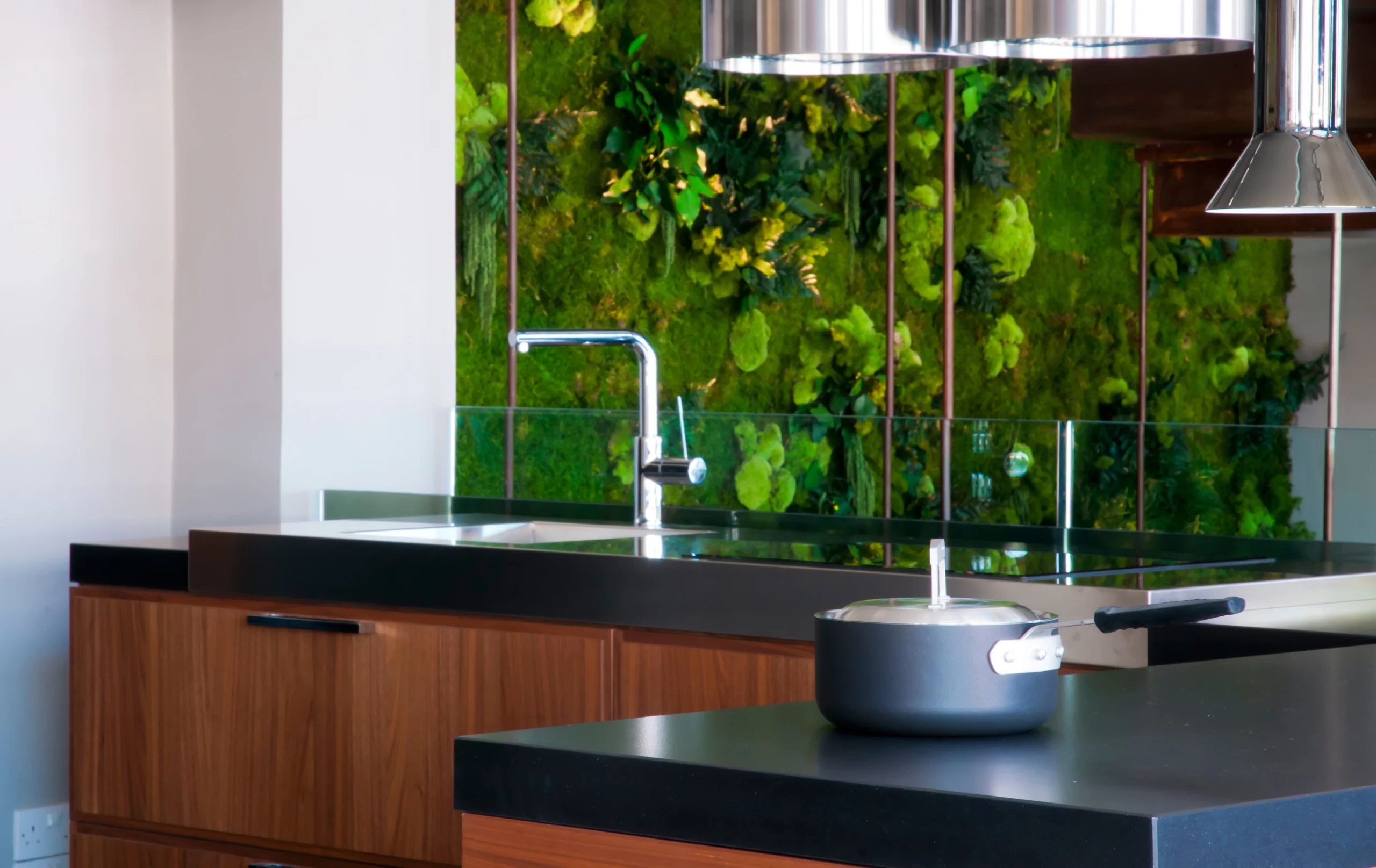
Ultimate Kitchen Renovation Ideas for 2026: Lighting, Flooring, and Smart Solutions
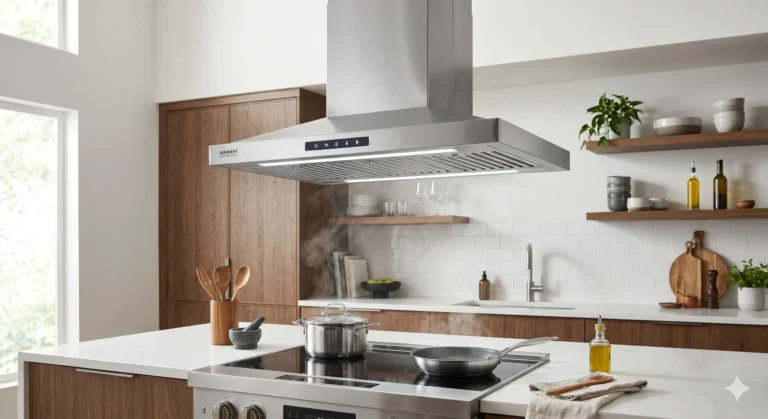
A kitchen renovation is no longer just a cosmetic project. In 2026, homeowners are thinking beyond paint colors and cabinet doors. They want a kitchen that supports real daily life, feels comfortable to use, saves time, improves storage, and still looks beautiful years later. That is why Kitchen Renovation Ideas for 2026 are centered on practical luxury, smarter layouts, durable materials, and features that make the room more enjoyable for cooking, gathering, and living.
Today’s kitchen has become the center of the home in a much stronger way than before. It is often a workspace in the morning, a family hub in the evening, and an entertainment zone on weekends. Because of that, renovation choices need to solve more than one problem. A homeowner may want better flow, more hidden storage, easier cleaning, stronger lighting, energy-efficient appliances, and a design that feels current without becoming outdated too quickly. Good renovation planning is about balancing all of those needs rather than chasing trends blindly.
For homeowners in places like Boca Raton, kitchen upgrades can also support long-term property value. Buyers are often drawn to kitchens that feel open, bright, functional, and well-finished. Even if you are not planning to sell soon, a thoughtful remodel can still improve everyday comfort in a major way. This guide explores the newest design directions, compares renovation options, explains the benefits of different choices, and helps you understand how to create a kitchen that looks refined while working hard behind the scenes.
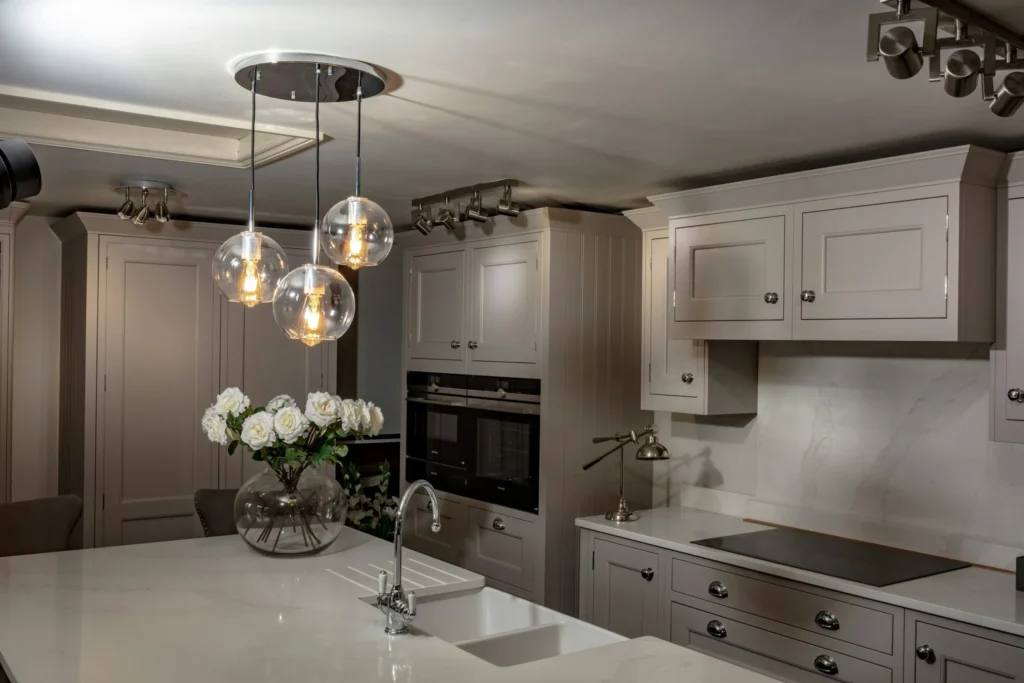
Why Kitchen Renovation Trends Are Changing in 2026?
The biggest change in modern kitchen design is that beauty alone is not enough anymore. People still care about looks, of course, but they are paying closer attention to how a kitchen performs. A stylish kitchen that lacks counter space, has poor lighting, or makes storage difficult will quickly become frustrating. That is why the newest renovation approach combines appearance with usability.
Another major shift is personalization. Older remodels often followed a generic formula: white cabinets, a subway tile backsplash, stainless steel appliances, and a safe neutral countertop. That style still works in some homes, but many homeowners now want a design that reflects how they actually live. A family that cooks daily may prioritize prep zones and storage. A couple who entertains often may want a large island, beverage area, and seating. Someone working from home may even want a corner that supports light laptop use or charging.
There is also more awareness around long-term value. Homeowners are asking better questions before they renovate. Will this material be easy to maintain? Will this layout still work in five years? Does this finish hide fingerprints? Is this appliance worth the cost? These are smart questions because a kitchen should not only impress on day one. It should stay functional and attractive after months and years of real use.
According to the 2026 U.S. Houzz Kitchen Trends Study, functionality now drives more projects than ever, with 76% of renovators adding or upgrading built-in features to make kitchens work harder for daily life.
How Kitchen Renovation Ideas for 2026 Compare With Older Remodeling Trends
One of the clearest differences between 2026 kitchens and older renovations is the move from “show kitchens” to “working kitchens.” In the past, many remodels focused heavily on visual appeal. The kitchen looked polished, but storage was limited, appliances were oversized for the space, and the layout was not always efficient. Now, homeowners are choosing designs that work beautifully in daily life.
Take cabinetry as an example. Older kitchens often had standard cabinet boxes with basic shelves and wasted corner space. Modern remodels are using deeper drawers, pull-out organizers, hidden charging areas, tray dividers, and built-in waste systems. The outside may look simple, but the inside is doing much more. This gives homeowners better organization and reduces clutter on countertops.
The same comparison applies to lighting. Older kitchens often relied on a single ceiling fixture and maybe some under-cabinet lights if the budget allowed. In 2026, layered lighting is becoming standard. Ambient lighting, task lighting, accent lighting, and decorative fixtures are used together to improve visibility, mood, and style. The kitchen feels warmer and more useful because each area is lit for a purpose.
Another difference is the approach to materials. In earlier years, homeowners sometimes chose finishes mainly for appearance. Today, durability matters much more. People want surfaces that can handle water, heat, stains, and daily cleaning without becoming high-maintenance. That shift is creating smarter decisions and better long-term satisfaction.
Choosing the Right Layout for Daily Life
A beautiful kitchen starts with a smart layout. Before selecting colors, tile, or cabinet style, it is important to understand how the room will function. Layout affects movement, storage, prep efficiency, and how comfortable the kitchen feels when more than one person is using it.
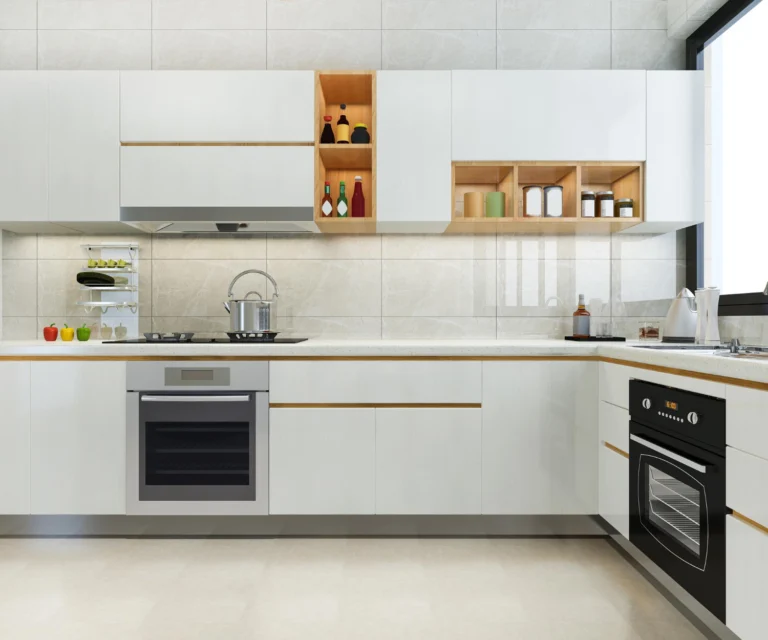
L-shaped kitchen
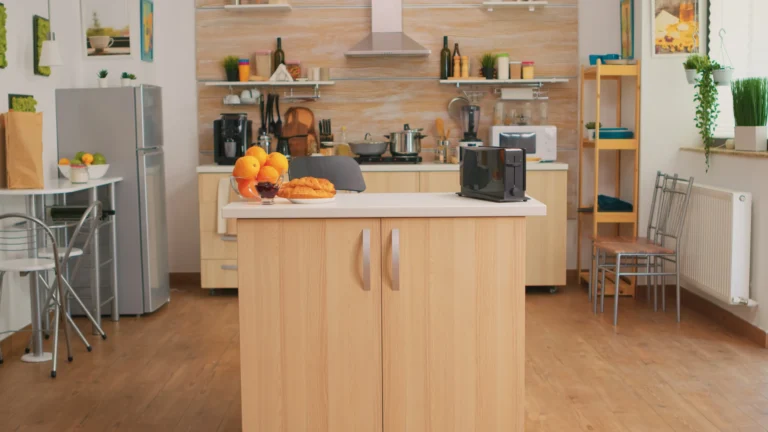
This layout remains one of the most flexible choices. It works well in small and medium spaces because it uses two connected walls and leaves room for movement. It can also make an open kitchen feel less crowded. For homeowners who want a modest renovation with solid practicality, this is often a strong option.
Benefits:
- – Good flow between prep, cooking, and cleaning
- – Flexible enough for islands in many homes
- – Works well in open-concept designs
Best for:
Small families, condos, and homes where the kitchen connects to another room.
U-shaped kitchen
A U-shaped layout offers more counter space and often more storage. It surrounds the user on three sides, which can be very efficient for cooking. This design is excellent for homeowners who spend a lot of time in the kitchen and want clearly defined work zones.
Benefits:
- – More cabinetry and countertop area
- – Strong workflow
- – Great for serious cooking
Best for:
Larger kitchens and homeowners who need maximum utility.
Galley kitchen
Galley kitchens are highly functional when designed properly. They place work areas on two parallel sides, which keeps everything within reach. Some people worry that galley kitchens feel narrow, but with the right lighting, colors, and storage choices, they can be extremely efficient.
Benefits:
- – Excellent workflow
- – Great for compact homes
- – Can reduce wasted movement
Best for:
Smaller homes, apartments, and efficiency-focused renovations.
Open-concept kitchen
Open kitchens are still popular, but they are evolving. Instead of fully exposing every function, some designs now create gentle separation through islands, ceiling treatments, or material changes. This keeps the kitchen social without making it feel messy when not perfectly clean.
Benefits:
- – Better for entertaining
- – Makes the home feel larger
- – Encourages family interaction
Best for:
Modern living, busy households, and homes where the kitchen is a social hub.
Designing for Longevity: Aging-in-Place Features
More than half of 2026 renovators (53%) are now incorporating features that address current or future special needs—up from previous years—according to Houzz data. Popular choices include rounded countertops (34%) for safer navigation, nonslip flooring (32%), wider drawer pulls, and lower counter or fixture heights in key zones. These thoughtful additions make kitchens more accessible without sacrificing style and support homeowners who want to age in place comfortably.
Storage Upgrades That Make a Bigger Difference Than You Expect
Many homeowners think new countertops or backsplashes create the biggest improvement, but smart storage often has the greatest day-to-day impact. When storage works well, the kitchen feels calmer, cleaner, and easier to use.
Deep drawers are becoming more popular than lower cabinets with shelves. Drawers make it easier to see pots, pans, dishes, and containers without bending and reaching awkwardly. Pull-out pantry systems are also gaining attention because they keep ingredients accessible and organized. Corner cabinets, which often waste space, can be improved with rotating inserts or pull-out systems.
Vertical storage is especially valuable in smaller kitchens. Taller cabinets, stacked uppers, appliance garages, and narrow pull-outs can turn forgotten areas into useful storage zones. Hidden compartments for trash, recycling, spices, cutting boards, and charging cables help remove clutter from visible surfaces.
According to the 2026 U.S. Houzz Kitchen Trends Study, 76% of renovating homeowners are installing or upgrading built-in features, with pantry cabinets leading the way at 47%.
Butler’s Pantries and Prep Kitchens
A standout addition in 2026 is the butler’s pantry (or prep kitchen), chosen by 7% of renovators and rising in popularity for its ability to hide clutter while adding dedicated workspace. These hidden zones often include small-appliance storage (67% of new installations), prep counters (61%), enclosed cabinetry (59%), and even a secondary sink or beverage station—keeping the main kitchen tidy and efficient.
There is also a shift toward storage designed around routines. Instead of storing items wherever there is room, homeowners are grouping things by task. Coffee items near the coffee station. Baking tools near prep space. Kids’ dishes in easy-to-reach drawers. This approach saves time and makes the kitchen more intuitive for everyone in the household.
Cabinet Styles, Finishes, and the Best Choice for Different Goals
Cabinets shape the personality of a kitchen more than almost any other feature. In 2026, the best cabinet choice is not simply about what looks expensive. It is about what suits the home, the maintenance level you can handle, and the atmosphere you want to create.
Flat-panel cabinets
These are clean, simple, and ideal for modern kitchens. They create a calm and uncluttered look. Because they lack detailed trim, they are easier to wipe down and maintain.
Best for:
modern, minimalist, and contemporary spaces.
Shaker cabinets
Shaker style remains one of the most versatile choices. It can fit transitional, modern farmhouse, coastal, or classic kitchens depending on color and hardware. This makes it safer for homeowners who want lasting appeal.
Best for:
people who want timeless design with flexibility.
Handleless cabinets
These support a sleek look and are especially popular in modern luxury renovations. However, they may show fingerprints more easily depending on the finish.
Best for:
high-end contemporary spaces.
Painted vs wood-tone finishes
Painted cabinets can brighten a kitchen and support many design directions. Wood-tone cabinetry, however, is making a strong return—now the top choice at 29% according to Houzz—because it adds warmth, character, and depth. Many designers now mix the two, such as painted upper cabinets with wood-tone lowers or a wood island with painted perimeter cabinetry.
Comparison:
- – Painted cabinets feel lighter and cleaner
- – Wood tones feel warmer and more grounded
- – Mixed finishes add visual interest without overcomplicating the room
Countertop Materials: Which One Gives the Best Balance of Beauty and Performance?
Countertops affect both style and function, so choosing the right one matters. The best material depends on budget, lifestyle, cooking habits, and how much maintenance you are willing to do.
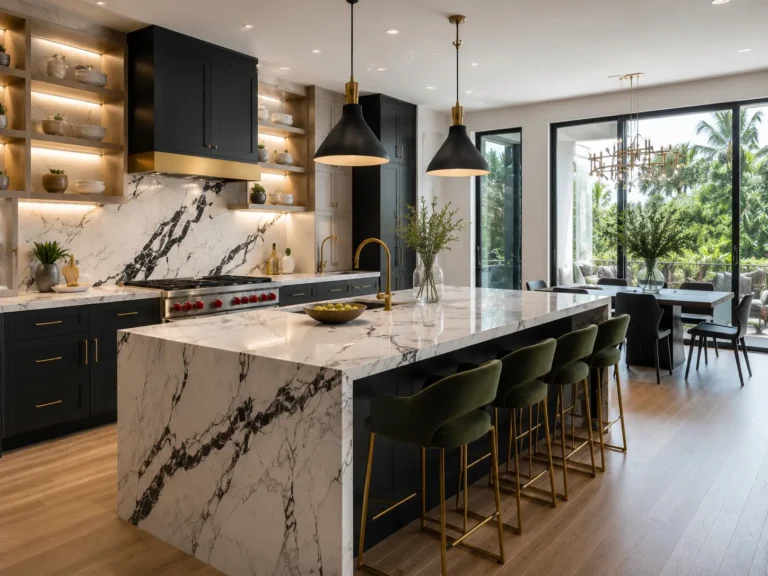
Engineered quartz remains the most chosen material (32%), but quartzite is gaining fast (10% and rising) for its dramatic natural veining that gives a bolder, statement-making look while offering superior durability and heat resistance.
Here’s a quick comparison table of today’s top options:
| Material | Pros | Cons | Best For | Approx. Cost per sq ft |
| Quartz | Low maintenance, non-porous, durable, consistent look | Higher cost than laminate | Busy families | $60–$120 |
| Granite | Natural beauty, unique patterns, strong | Needs periodic sealing | Classic or traditional | $50–$100 |
| Quartzite | Dramatic veining, heat/scratch resistant, marble-like elegance | Higher cost, needs sealing | Statement islands, luxury | $70–$150 |
| Marble | High-end appearance, classic beauty | Prone to staining/etching | Light-use, elegant spaces | $80–$150 |
| Laminate | Affordable, many styles, easy install | Less premium/durable | Budget refreshes | $20–$50 |
| Butcher block | Warm texture, repairable | Needs regular sealing/oiling | Casual, organic styles | $40–$80 |
For many homeowners, quartz or quartzite now offers the best balance of elegance, durability, and easy upkeep—especially with bolder veining patterns that 75% of renovators prefer.
Sustainable Materials: Growing Priority in 2026
Sustainability is moving from nice-to-have to expected. Homeowners are increasingly choosing recycled-content quartz, reclaimed wood cabinetry, low-VOC finishes, and responsibly sourced stone. NKBA reports highlight this shift toward eco-conscious choices that reduce environmental impact without sacrificing performance or beauty.
Color Trends and Design Direction for 2026
Color palettes are moving in a more refined and livable direction. Bright all-white kitchens are no longer the automatic first choice. Instead, homeowners are using warmer neutrals, earthy tones, muted greens, soft taupes, clay shades, greige, and deeper accent colors to create kitchens that feel richer and more personal.
This does not mean white is gone. It still works well, especially in smaller kitchens or homes that need brightness. But in 2026, white is often paired with texture and contrast so it does not feel too plain. For example, white cabinetry may be balanced with warm wood shelving, brushed metal hardware, or a textured backsplash.
Two-tone kitchens are also growing in popularity. This could mean darker lower cabinets with lighter uppers, a statement island color, or wood mixed with painted cabinetry. The benefit of two-tone design is that it adds visual depth while helping certain areas stand out.
Curved and Organic Designs
A fresh 2026 direction is the rise of soft curves and organic shapes—rounded islands, arched cabinet details, and flowing edges—that bring calm and character while improving flow and safety. These sculptural elements soften modern kitchens and pair beautifully with dramatic veining in countertops.
Matte finishes are becoming more common as well. They look soft and sophisticated, and they often feel less harsh than glossy surfaces. However, the best finish depends on the overall kitchen style and how much natural light the space gets.
Lighting: The Upgrade That Changes Everything
Lighting is one of the most underestimated parts of a kitchen remodel. Many homeowners focus on cabinets and countertops first, then treat lighting like a final detail. In reality, lighting changes how every other feature looks and how well the kitchen functions.
A strong lighting plan usually includes three layers. Ambient lighting provides overall brightness. Task lighting supports work areas such as countertops, sinks, and cooktops. Accent or decorative lighting adds warmth and character. When all three work together, the kitchen feels both practical and inviting.
Pendant lights over an island can become a visual focal point. Under-cabinet lighting improves prep work and also makes the room feel more polished at night. Toe-kick lighting or interior cabinet lighting can add a subtle luxury effect without being too flashy.
Warm lighting tends to make kitchens feel more comfortable and welcoming, while cooler lighting can feel cleaner but sometimes harsher. The right balance depends on the finishes in the room and how you want the space to feel in the morning versus the evening.
Smart Features Worth Considering
Technology is becoming more thoughtful in kitchen design. It is no longer about adding gadgets just because they are new. The better approach is choosing features that genuinely improve convenience, efficiency, and safety.
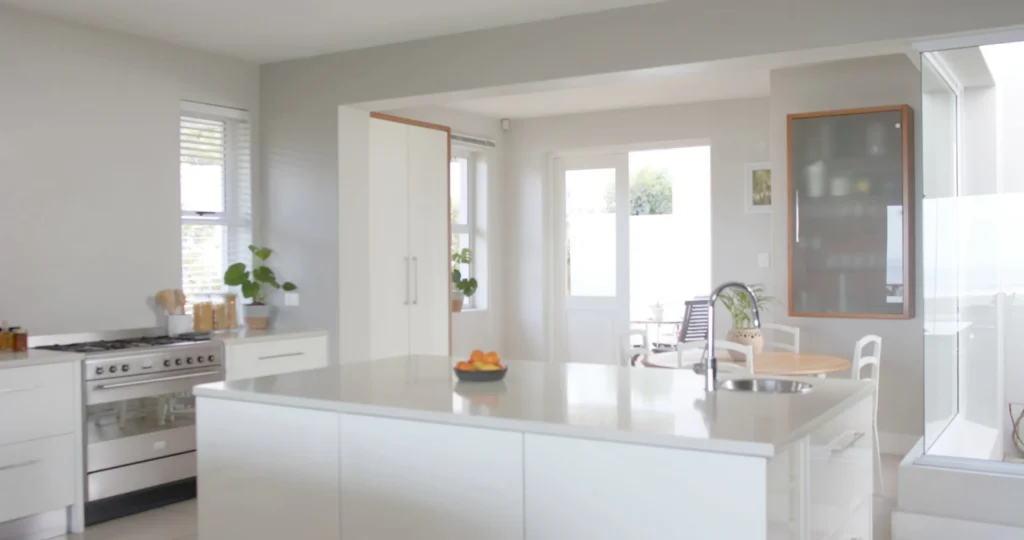
Some of the most useful upgrades include touchless faucets, smart ovens, app-connected refrigerators, charging drawers, voice-controlled lighting, and appliances that help monitor energy use. These features can save time and make the kitchen easier to manage, especially in busy homes.
But not every smart product is equally valuable. A practical rule is to invest in technology that solves a repeated problem. If your hands are often messy while cooking, a touchless faucet makes sense. If you frequently multitask, a smart oven with notifications may be worthwhile. If a feature sounds impressive but adds little real benefit, it may not justify the cost.
The best smart kitchen is not the one with the most technology. It is the one where technology quietly improves daily living.
Small Kitchen Solutions That Add Real Function
Smaller kitchens need careful planning, but they can still feel high-end and highly functional. The key is making every inch work harder.
Use light-reflective finishes where possible, but balance them with texture so the room does not feel flat. Choose cabinetry that goes higher to the ceiling to gain storage. Consider slimmer hardware, integrated appliances, or fewer visual interruptions to make the room look more open.
A compact island can be useful if it does not block movement, but in some kitchens a peninsula is the smarter option. Open shelving can make a room feel lighter, though it should be used selectively because it requires more visual organization. Glass-front cabinets can also create openness while keeping contents protected.
Flooring continuity matters in smaller spaces too. Using the same flooring throughout connected areas can make the kitchen feel larger. Strong lighting and clutter-free counters will often do more for a small kitchen than expensive decorative upgrades.
Budget Renovation vs High-End Renovation: Which One Delivers More Value?
This depends on your goal. A budget renovation can deliver excellent value when the kitchen needs a refresh rather than a complete transformation. Repainting cabinets, replacing hardware, upgrading lighting, installing a new backsplash, and changing countertops can make a dramatic difference at a more manageable cost.
A high-end renovation makes more sense when the existing kitchen has deeper problems. Poor layout, weak storage, low-quality cabinetry, old appliances, or damaged materials may justify a full redesign. In these cases, spending more can lead to stronger long-term satisfaction and better functionality.
Budget-friendly approach
Best when:
- – Layout already works fairly well
- – Cabinets are structurally sound
- – You want visual improvement without major construction
Premium approach
Best when:
- – You need better workflow
- – Storage is inadequate
- – You want custom finishes and long-term performance
The smarter choice is not always the more expensive one. It is the one that solves the right problems for your home.
Common Renovation Mistakes That Reduce Results
Many kitchen remodels go over budget or underperform because of avoidable mistakes. One of the most common is designing around looks only. A kitchen should first support movement, prep, storage, and comfort.
Another mistake is poor appliance planning. A beautiful layout can fail if doors clash, clearances are tight, or appliance placement breaks the workflow. Storage is also often underestimated. People think they have enough until they move everything back in.
Choosing trendy finishes without thinking about maintenance can also create regret. Some materials and colors look stunning online but require more upkeep than homeowners expect. Lighting mistakes, rushed budgeting, and ignoring ventilation are other common issues that reduce overall success.
Planning carefully at the start usually saves more money than cutting corners later.
Boca Raton Homeowners: What to Prioritize
For homeowners researching Kitchen Renovation Ideas for 2026 in Boca Raton, it makes sense to prioritize a design that feels both modern and durable. Bright interiors, airy layouts, quality finishes, and a polished but livable look tend to align well with local expectations. Many homeowners also want a kitchen that supports entertaining, which makes islands, open flow, and layered lighting especially valuable.
Humidity, maintenance, and finish quality should also be considered when selecting materials—along with aging-in-place features and sustainable options for long-term value. A kitchen that looks elegant but becomes difficult to maintain in everyday life will quickly lose appeal. That is why practical luxury often works best: materials and features that feel upscale while staying easy to live with.
Whether you are upgrading for personal enjoyment, resale appeal, or both, the goal should be a kitchen that feels timeless, not temporary.
Frequently Asked Questions
The layout is usually the most important part because it affects workflow, storage, comfort, and how the kitchen functions every day. A pretty kitchen with a weak layout will not feel successful for long.
Yes, if the features solve real problems. Touchless faucets, better lighting control, and efficient appliances often provide meaningful benefits. The best smart upgrades are practical, not flashy.
Quartz is often the strongest all-around choice because it is durable, low maintenance, and easy to clean. It also comes in many styles that suit both modern and classic kitchens. Quartzite is a close second for those wanting bolder veining with natural-stone durability.
Not always. Open kitchens are excellent for social connection and visual spaciousness, but some homeowners prefer partial separation for noise control, privacy, or easier cleanup. The right answer depends on lifestyle.
Use taller cabinetry, better lighting, lighter tones, integrated storage, and clean sightlines. Reducing clutter and choosing the right layout can make a major difference.
Conclusion
A successful kitchen remodel in 2026 is not about chasing every trend. It is about making thoughtful choices that improve how the room looks, feels, and functions every single day. The best Kitchen Renovation Ideas for 2026 combine strong layout planning, smart storage (including butler’s pantries), durable and sustainable materials, layered lighting, curved organic details, aging-in-place considerations, and a design style that feels personal rather than generic.
Whether you are planning a simple refresh or a full renovation, the smartest path is to focus on value, not just appearance. Compare options carefully, choose features that match your routine, and invest in improvements that will still feel right years from now. When a kitchen is designed with both beauty and purpose, it becomes more than a remodeled room. It becomes one of the most rewarding spaces in the home.