Before You Remodel: The Drain and Sewer Checks That Protect a South Florida Kitchen or Bathroom Renovation
Key Takeaways
- Inspect drain and sewer lines before starting a kitchen or bathroom remodel to identify hidden plumbing problems.
- Older South Florida homes may have deteriorating cast iron pipes affected by corrosion, scale buildup and root intrusion.
- A sewer camera inspection can reveal cracks, blockages, pipe bellies and other issues before demolition begins.
- Repairing or replacing damaged pipes while floors are already open can help avoid disturbing newly installed tiles and fixtures.
- Confirm proper drain slope when relocating sinks, toilets or showers to prevent future drainage problems.
- Keep drains protected from construction debris and ensure sewer cleanouts remain accessible after renovation.
Most homeowners plan a kitchen or bathroom remodel around what they can see: cabinets, tile, countertops, fixtures and lighting. The part that decides whether the new space works for the next twenty years is the part nobody sees: the drain lines under the slab and the sewer line that carries everything out to the street.
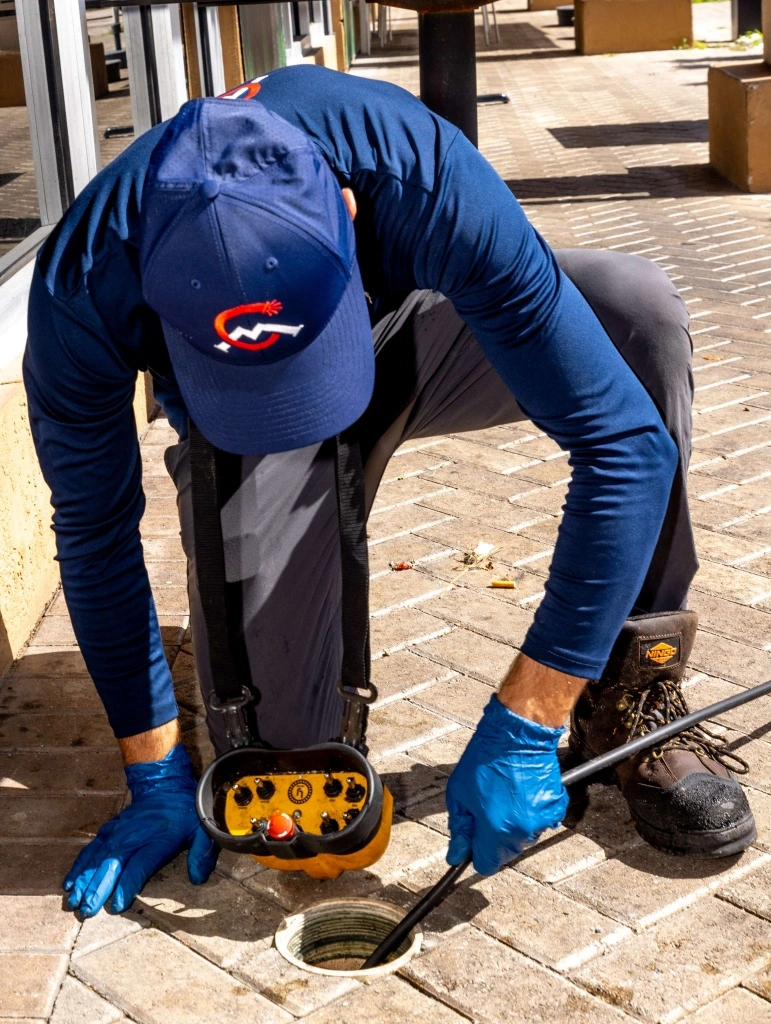
Our crews clear and inspect drain and sewer lines in South Florida homes every day, and a steady share of those calls come from houses that were remodeled recently. New tile, new vanity, new kitchen, and an old drain line underneath that was never checked. The fix at that point usually means opening finished work. The same check done before demolition costs a fraction of that and takes about an hour.
Here is what we recommend every homeowner and contractor look at before the first wall comes down.
Why older South Florida homes need a closer look
A large part of the housing stock in Boca Raton, Deerfield Beach, Pompano Beach, Fort Lauderdale and Hollywood was built between the 1950s and the late 1970s. Many of those homes still have their original cast iron drain lines running under the concrete slab, and clay or cast iron sewer laterals out to the city connection.
Cast iron was a good material for its time, but after fifty or sixty years the inside of the pipe corrodes and builds up scale. In our inspections we regularly see lines that look fine from the outside but have lost a significant part of their inside diameter to scale and buildup. The pipe still drains, just slowly, and it catches grease, hair and debris much more easily than a smooth pipe would.
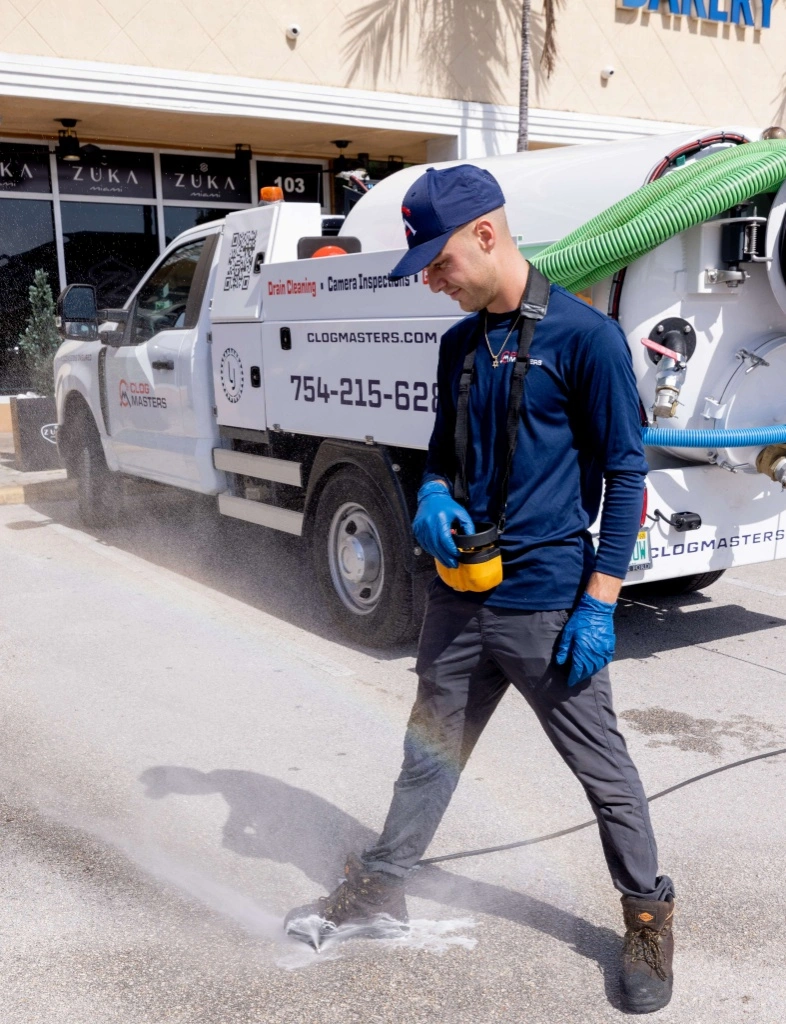
Florida conditions add to the problem. A high water table, sandy soil that can settle over time, and the roots of ficus, sea grape and other fast-growing landscape trees all put stress on older underground lines. A remodel does not cause any of this, but it is the one moment when the floor is already open and the line can be repaired or replaced without breaking new work.
Camera inspection before demolition: what it actually shows
A sewer camera inspection means feeding a waterproof camera on a flexible cable through a cleanout or drain opening and recording the inside of the line all the way out to the street. A good technician also locates the line from above, so you know where problems sit and how deep they are.
These are the findings that change a remodel plan most often:
- Heavy scale or corrosion: the pipe is still intact but badly restricted. Cleaning may restore flow, but it is a sign the line is near the end of its life.
- Cracks and separated joints: water can escape into the soil, and roots and sand can get in. These are the lines that clog again and again.
- Root intrusion: from fine hair-like roots at a joint to a full root mass blocking most of the pipe.
- Bellies: a low section where the pipe has sagged and water and waste sit instead of flowing. Common in homes where the soil has settled.
- Previous repairs: sections of PVC patched into cast iron, sometimes with transitions that catch debris.
- Grease buildup in kitchen lines: especially in homes where the kitchen sink has been the main drain for decades.
Ask for the video and a short written summary with the location and approximate depth of each issue. That recording is useful for your contractor, for budgeting, and later if you sell the home. A sewer camera inspection done before demolition gives everyone the same facts before any decisions are made.
How the results change scope and budget
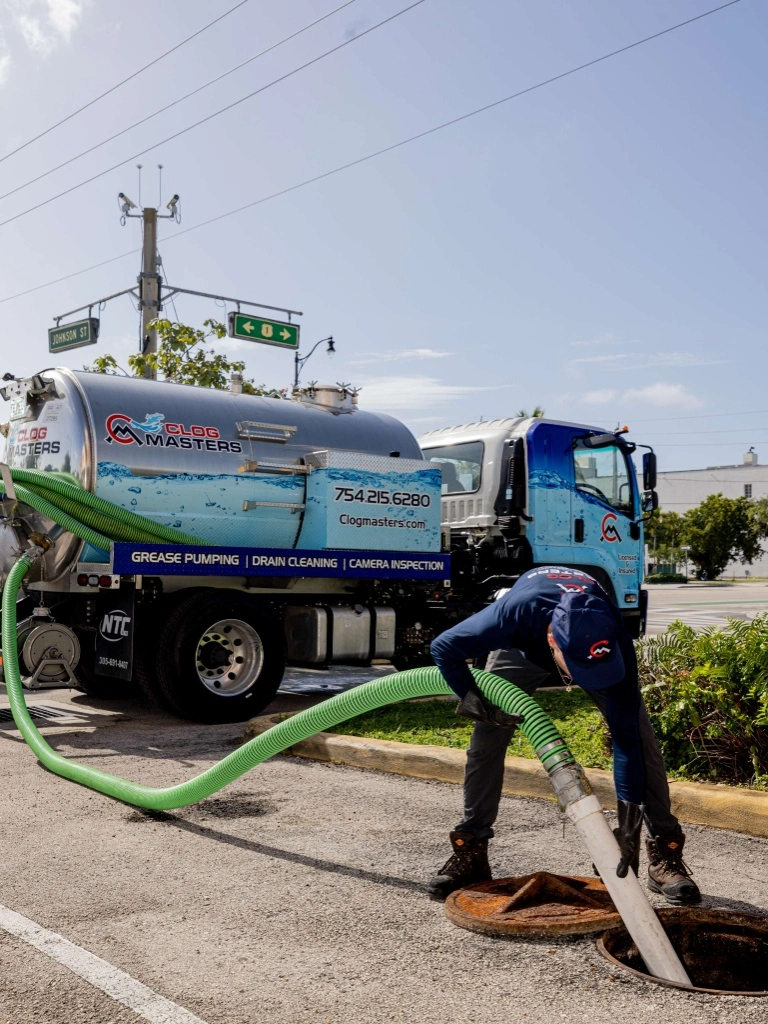
The point of inspecting first is not to find reasons to spend more. Often the result is good news: the lines are in reasonable shape, a cleaning is enough, and the remodel goes ahead as planned. When the camera does find a problem, it is far better to know during planning than after the tile is set.
In practice, the findings fall into three groups:
- Clean and keep: the pipe is structurally sound but has buildup. Professional cleaning before the remodel restores the full diameter, and the project goes on as planned.
- Repair while it is open: one cracked section, a bad joint or a belly under the bathroom or kitchen being remodeled. With the floor already open, replacing that section is a small addition to the job.
- Plan a larger fix: the line is deteriorated along most of its length. That calls for a conversation about pipe lining or replacement, and about whether to do it now or as a separate project. Either way, the remodel budget reflects it from the start instead of as a surprise change order.
A simple rule we share with homeowners: if the floor will be open over a drain line anyway, that is the cheapest moment the line will ever be accessible.
Common remodel mistakes we get called to fix afterward
These are the situations we see most often in recently remodeled homes. None of them are rare, and all of them are preventable.
New tile over a failing line
The bathroom looks perfect, but the shower drains slowly or the toilet gurgles within months. The camera shows the original cast iron line under the new floor, badly scaled or cracked. If it needs replacing, the choice is between breaking new tile or a more complex repair from outside. Inspecting first avoids this entirely.
Relocated fixtures without enough slope
Moving a toilet, shower or kitchen island sink is one of the most popular remodel requests. Drain lines need a consistent downward slope to carry waste, generally about a quarter inch per foot for smaller lines. When a fixture moves far from the original drain, the new run can end up too flat, especially in slab homes where depth is limited. The result is a line that works at first and then clogs regularly. Confirm with your plumber that the new location can be drained correctly before the layout is final.
Construction debris washed down the drains
Thinset, grout, joint compound, drywall dust and paint rinsed into a sink or floor drain do not stay suspended in water. They settle in the pipe and harden, and grout and thinset in particular can set like concrete inside a line. We regularly clear lines blocked by construction materials shortly after a remodel. Ask the crew to cap drains during work and never rinse tools or buckets in the home’s sinks or tubs.
Ignoring the main line
A remodel often focuses only on the room being renovated. But a new bathroom or kitchen sends water to the same main sewer line as before, sometimes more of it if fixtures are added. If the main line has roots or a belly, the new fixtures will be the first to show it. Including the main line in the pre-remodel inspection takes only a few extra minutes.
Not knowing where the cleanout is
Many older homes have a cleanout buried under landscaping, pavers or even a driveway extension. During a remodel is the right time to locate it, bring it to grade and make it accessible. When a main-line clog happens later, an accessible cleanout means the line can be cleared without pulling a toilet off a brand-new floor.
Cleaning, lining or replacement: what each one means
When the inspection finds a problem, homeowners usually hear three options. In plain terms:
- Cleaning: mechanical cleaning or hydro jetting (high-pressure water) removes buildup, grease and roots and restores the pipe’s inside diameter. It is the right choice when the pipe itself is structurally sound. A follow-up camera pass confirms the result.
- Lining: a resin-saturated liner is installed inside the existing pipe and cured in place, creating a new pipe within the old one. It can avoid excavation in some situations, but the line must first be cleaned thoroughly and its condition has to make lining possible. It also reduces the inside diameter slightly.
- Replacement: removing the damaged section or the full line and installing new pipe. During a remodel, when the floor is already open, replacement of the affected section is often the most straightforward option.
Which one makes sense depends on what the camera shows, where the damage is, and what will be open during the project. A good contractor will explain why a given option fits your line, and show you the video to back it up.
A pre-remodel drain checklist
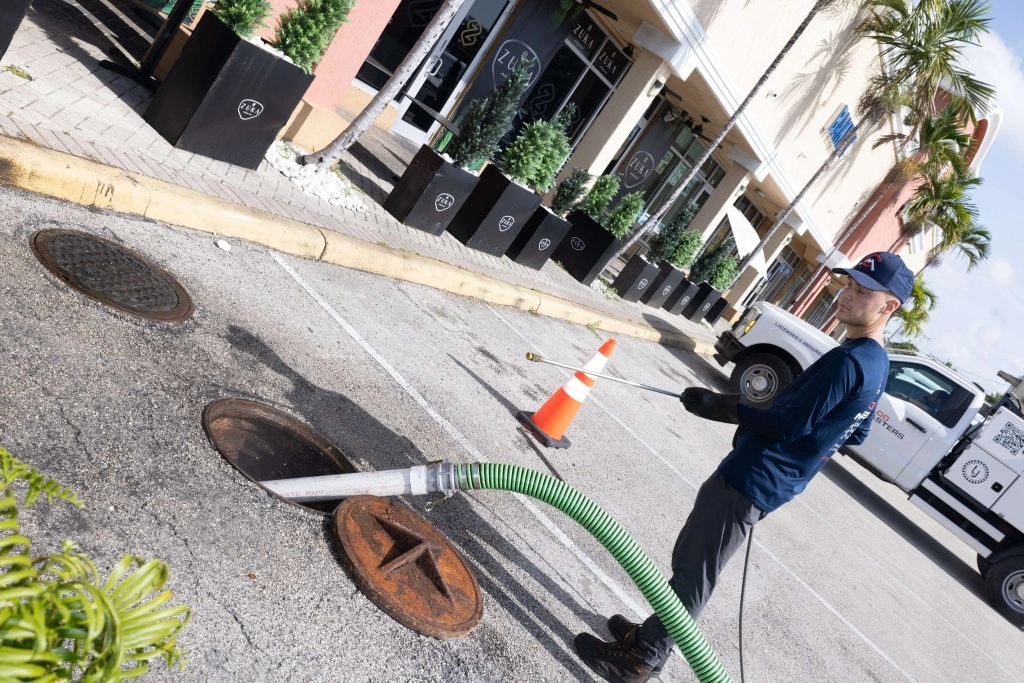
Before demolition starts, homeowners and contractors can work through this list:
- Find out when the home was built and whether the original drain lines were ever replaced.
- Schedule a camera inspection of the drain lines under the rooms being remodeled and of the main sewer line to the street.
- Ask for the video and a written summary with the locations and depths of any issues.
- Decide before demolition whether any section will be cleaned, repaired or replaced, and include it in the budget and schedule.
- If fixtures are moving, confirm that the new drain runs can have the correct slope.
- Locate the sewer cleanout and make sure it will be accessible after the project.
- Agree with the remodeling crew that drains will be capped during work and that no grout, thinset or paint is rinsed into the home’s plumbing.
- After the remodel, run water through every new fixture for several minutes and watch for slow drainage or gurgling before final payment.
The bottom line
A kitchen or bathroom remodel is a major investment, and most of the attention naturally goes to what you will see every day. The drain and sewer lines underneath decide whether that investment holds up. Checking them before demolition takes little time, costs far less than reopening finished work, and gives you and your contractor the facts needed to plan the project correctly from the start.
About the contributor:
ClogMasters is a Florida Certified Plumbing Contractor (license CFC1430169) based in Hollywood, FL, focused on drain cleaning, hydro jetting, sewer camera inspection and grease trap service for homes and restaurants across Broward County and North Miami-Dade since 2018. The team answers calls 24/7 at clogmasters.com.