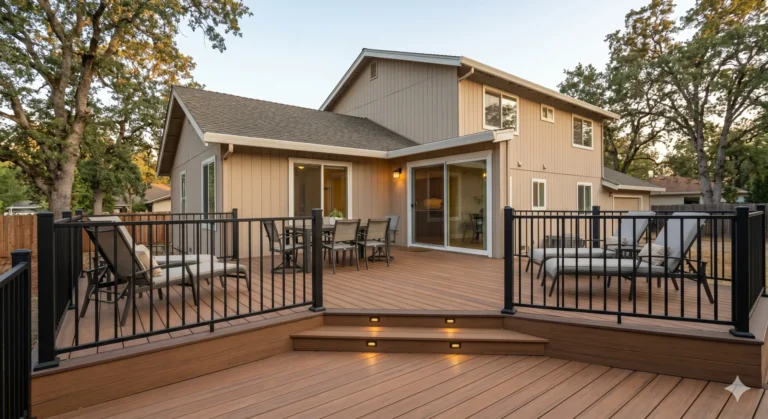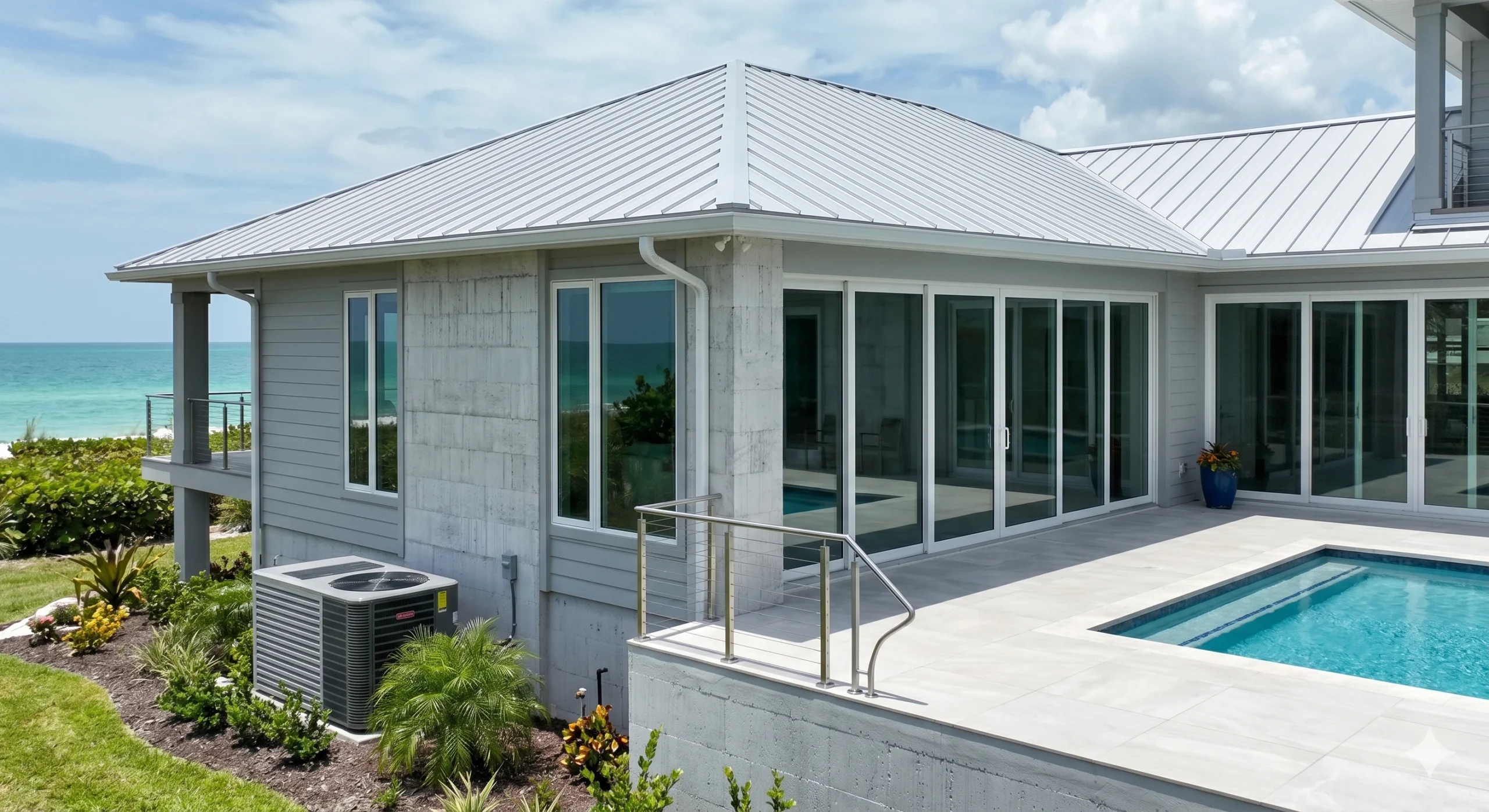
Three months ago, a client called me in tears. She had just spent $120,000 renovating her coastal home in Naples. Her contractor used standard drywall and cheap engineered wood flooring. After one humid summer and a minor tropical storm, the walls felt like wet sponges. The floors buckled so badly you could trip over them. She had to rip everything out to the studs.
Here is what nobody tells you about building in this state. Florida does not just have weather. It has an aggressive climate that actively tries to dismantle your home. The salt air eats metal. The humidity breeds mold. The sun destroys synthetic materials.
As we navigate the massive changes from the 2026 Florida Building Code (9th Edition) updates, old advice no longer works. You need materials engineered for “invisible resilience.”In Florida, a home needs to look great but also handle 140–180 mph winds (depending on location) and humidity that often reaches 90%. After years of fixing expensive mistakes, these are the materials I trust for reliable performance.
Who Is This Guide For?
- Future Homeowners: Planning a new build and wanting to avoid massive maintenance bills.
- Current Residents: Renovating to meet the strict 2026 code updates.
- Investors: Looking to lower insurance premiums through compliant materials.
- DIYers: Needing to know which brands actually survive our brutal climate.
Best Materials for Florida Homes
The best materials for Florida homes to resist humidity and hurricanes include concrete block or Insulated Concrete Forms (ICFs) for structural walls. For exteriors, use metal or composite tile roofing and fiber cement siding. Inside, choose Luxury Vinyl Plank (LVP) or porcelain tile over wood, and install mold-resistant drywall. Always pair these materials with a variable-speed HVAC system designed for superior dehumidification and Grade 316 stainless steel exterior hardware to prevent salt corrosion.
Why Are the 2026 Florida Building Codes Changing Material Choices?
The 2026 Florida Building Code update forces builders to prioritize wind resistance and water intrusion protection above all else. This means materials must pass stricter impact tests and handle extreme moisture without failing.
The state is tired of homes falling apart. House Bill 911 and the incoming 9th Edition codes are raising the bar. Even if your home was labeled “hurricane proof” a few years ago, it might not meet today’s standards. We are seeing a massive shift toward materials that do not degrade when wet.
For example, roofs must now withstand higher uplift forces. You need stronger fasteners. You need impact glass that passes tougher missile tests. Insurance companies are paying close attention to these changes. If you use outdated materials, your premiums will skyrocket.
How do new codes impact coastal properties?
Properties near the coast face the strictest rules. You must use flood-resistant materials below the base flood elevation. This means zero paper-faced drywall or standard lumber near the ground. Hydrostatic openings are also mandatory to let storm surge water pass through foundations without collapsing the structure.
What Are the Best Humidity Resistant Structural Materials?
The best structural materials for Florida homes are concrete block and Insulated Concrete Forms (ICFs). These materials do not rot, they do not feed mold, and they easily withstand high-velocity hurricane winds.
Wood framing is traditional in many parts of the country. In Florida, it is a liability. Termites love it. Moisture warps it. When I build a home in 2026, I insist on concrete.
Block construction has been the Florida standard for decades. However, ICFs are taking over the luxury market. ICFs use hollow foam blocks filled with steel-reinforced concrete. They create an airtight seal. This stops humid air from penetrating the walls.
Why traditional wood framing fails here
Wood absorbs moisture from the air. In a humid climate, this causes the wood to swell and contract. Over time, fasteners loosen. Mold begins to grow inside the wall cavity. I have seen five-year-old wood-framed homes require total reconstruction because of hidden rot.
Case Study: The 2024 Fort Myers Rebuild
I worked on a property in Fort Myers that was leveled by a storm. The owners wanted a home that would never wash away. We used ICFs from foundation to roofline. The initial cost was 15 percent higher than wood. However, their home is completely airtight. Their energy bills dropped by 60 percent. More importantly, their insurance provider offered a massive discount because the structure is virtually indestructible.
Which Exterior Materials Withstand Salt, Sun, and Hurricanes?
The most durable exterior materials for Florida are metal or composite roofs, fiber cement siding, and Grade 316 stainless steel hardware. These materials resist UV degradation, block water intrusion, and survive corrosive salt air.
Your home’s exterior is its first line of defense. If the envelope fails, the interior is ruined. You cannot afford to cut corners here.
For siding, James Hardie fiber cement is my top choice. It looks like wood but performs like concrete. It will not rot or burn. Termites hate it. When painted with a high-quality masonry primer like Sherwin-Williams Loxon, it becomes a permanent shield against driving rain.
Underneath your siding, you need a smart moisture barrier. The Huber ZIP System is the gold standard in 2026. Instead of traditional house wrap that can tear in high winds, the ZIP System uses taped sheathing to block moisture while letting the house breathe.
Roofing materials that survive the heat
Asphalt shingles are cheap, but they bake in the Florida sun. Their lifespan is cut in half here. Instead, invest in metal roofing or composite tiles. Atlas Roofing makes composite tiles that look amazing and resist massive wind loads. Boral concrete roof tiles are another heavy-duty option. They last 50 years and help reflect solar heat away from the attic.
Florida Exterior Material Comparison
| Material Category | Premium 2026 Option | Cost Range (Installed) | Wind Rating | Humidity / Salt Resistance | Maintenance |
|---|---|---|---|---|---|
| Structural Walls | Insulated Concrete Forms (ICF) | $180 – $240 per sq. ft. | 250+ MPH | Impervious | Low (Lifetime) |
| Roofing | Standing Seam Metal (Kynar Coat) | $18 – $30 per sq. ft. | 160–180 MPH | Exceptional (No Rust) | Low (30-50 yrs) |
| Siding / Exterior | Fiber Cement (James Hardie) | $12 – $22 per sq. ft. | Up to 150 MPH | High (Non-rot) | Moderate (Repaint 12yrs) |
| Windows | PGT Custom Impact (ASCE 7-22) | $85 – $150 per sq. ft. | HVHZ Rated | Total Air/Water Seal | Low (Gasket Check) |
| Interior Walls | Glass-Mat Gypsum (Paperless) | $2.50 – $4.00 per sq. ft. | N/A | Maximum Mold Resistance | Low |
| Exterior Hardware | Grade 316 Stainless Steel | Premium (+30% vs Steel) | Structural Anchor | Zero Corrosion | None (Install & Forget) |
What Are the Best Humidity Resistant Interior Finishes?
The best interior finishes for humid climates are porcelain tile or Luxury Vinyl Plank (LVP) for flooring, and glass-mat or mold-resistant drywall for walls. These materials will not warp or grow mold if exposed to high moisture.
Let us talk about floors. Stop putting solid hardwood in Florida homes. It is a terrible idea. The humidity causes the wood to cup and buckle.
If you want the wood look, use Coretec LVP. It is 100 percent waterproof. It handles high traffic and pet claws. For high-moisture zones like bathrooms, large-format porcelain tile is the only way to go.
Why underlayment matters more than the floor
A good floor with a bad underlayment is a failed floor. You must protect the concrete slab from sweating. I always specify Schluter Systems waterproofing membranes under tile. This prevents moisture vapor from traveling up through the slab and destroying your grout.
Case Study: The Sarasota Flooring Disaster
Last year, I visited a beautiful new build in Sarasota. The contractor used cheap LVP without a proper moisture barrier over a newly poured slab. Concrete holds moisture for months. The moisture got trapped under the vinyl planks. Mildew grew everywhere. The homeowner spent $15,000 ripping out the floors and remediating the mold. Always seal your concrete and use a premium underlayment.
How to choose the right drywall
Standard drywall is wrapped in paper. Mold eats paper. In Florida, you should use USG Sheetrock Mold Tough or glass-mat panels in any area prone to humidity. This includes bathrooms, kitchens, and garages. It costs slightly more, but it saves you from ripping open walls later.
How Do You Engineer a Home for Superior Dehumidification?
To engineer a home for superior dehumidification, you must install a variable-speed HVAC system and use closed-cell spray foam insulation to create a tight thermal envelope. Cooling is not enough. You must actively extract moisture from the air.
This is the biggest mistake I see. People buy massive, oversized air conditioners. They think bigger is better. It is actually the opposite. An oversized AC cools the house too fast and shuts off before it can remove the humidity. You end up with a cold, clammy house.
In 2026, modern builders use variable-speed systems from brands like Daikin or Carrier. These systems run constantly at a very low speed. They sip electricity while pulling buckets of water out of the air.
Insulation is your moisture barrier
Standard fiberglass batts are useless in Florida. They absorb moisture and sag. You want closed-cell spray foam insulation in your attic and walls. Spray foam acts as both an insulator and a vapor barrier. It seals every crack. It stops the humid outside air from mixing with your conditioned inside air.
Case Study: The Miami HVAC Retrofit
A client in Miami complained of “sweating walls.” Her artwork was actually curling inside the frames. Her builder had installed a cheap, single-stage HVAC unit. We ripped it out. We sealed her attic with spray foam and installed a variable-speed Daikin system. Within 24 hours, the indoor humidity dropped from 65 percent to a comfortable 45 percent. The wall sweating stopped completely.
Your Dream Bathroom Starts Here
Increase your home value with custom bathroom remodeling services in Boca Raton, Florida.
What Are the Most Common Building Failures in Florida?
The most common building failures in Florida are corroded exterior hardware, improper window flashing, and failing to seal porous stone surfaces. These small mistakes lead to massive water intrusion and structural damage over time.
People spend a fortune on impact windows but let the installer use cheap caulk. The sealant dries out in the sun, cracks, and lets water into the wall cavity during the next storm. Always specify high-grade silicone sealants.
Another massive failure point is hardware. Standard screws and hinges rust away in months near the coast. Simpson Strong-Tie makes incredible hurricane hardware. You must insist on their stainless steel or heavy galvanized options. If your builder uses standard deck screws outside, fire them.
The hidden dangers of porous materials
Natural coral stone looks beautiful on pool decks. However, it is highly porous. If you do not seal it every single year, algae and mold will take over. It becomes slippery and dark. Use sealed pavers or modern porcelain outdoor tiles instead. They give you the same look with zero maintenance.
Frequently Asked Questions
Metal roofing and composite tiles are the most durable options for Florida in 2026. Metal roofs handle 160+ mph winds easily and reflect solar heat. Composite tiles from brands like Atlas offer the look of traditional slate but can last up to 50 years without cracking in the sun.
Yes. Under the new 2026 building codes, impact-resistant glazed openings are essentially mandatory in high-velocity hurricane zones. Brands like PGT Custom Windows provide glass that survives a 9-pound 2×4 fired at 50 feet per second. They also lower your insurance premiums significantly.
Soft drywall means moisture is wicking up from the concrete slab or leaking from the exterior. This usually happens when builders use standard paper-faced drywall in humid zones instead of moisture-resistant glass-mat panels. You must find the moisture source before replacing the board.
No, wood flooring is not illegal. However, it is highly discouraged by experts. The extreme humidity fluctuations cause solid wood to cup, warp, and split. Luxury Vinyl Plank (LVP) or engineered hardwood with a thick wear layer are much safer, waterproof alternatives.
Closed-cell spray foam typically costs two to three times more upfront than fiberglass batts. However, it provides a permanent air and moisture barrier. In Florida, the investment pays for itself through massive energy savings and mold prevention over a 5 to 7-year period.
2026 Material Watch
The construction industry is evolving rapidly. As we push through 2026, I am integrating a few cutting-edge materials into my highest-end builds. Keep an eye on these technologies.
First is Dynamic Smart Glass. These windows automatically tint based on the sun’s intensity. They block thermal heat gain during the hottest parts of the day without needing blinds. This dramatically reduces the load on your HVAC system.
Second is Integrated Heat Pump Water Heaters. These units pull heat and humidity out of your garage air to heat your water. They act as a secondary dehumidifier for your home while slashing your water heating costs.
Finally, we are seeing a rise in Recycled Steel Framing for interior partition walls. Unlike wood studs, steel is perfectly straight, never rots, and is immune to termites. It is becoming the standard for luxury moisture-proof interiors.
Building a home in Florida requires a completely different mindset. You are not just building a house. You are building a climate-controlled bunker that happens to look beautiful. If you stick to materials like ICFs, fiber cement, metal roofing, and variable-speed dehumidification, your home will outlast the storms and the heat. Do not let contractors talk you into cheap, traditional materials. Demand the resilience you deserve.
What is the biggest challenge you are currently facing with moisture or humidity in your own home?