Use of Concrete in Home Remodeling & Construction
Concrete is one of the most versatile materials used in residential and commercial remodeling. It is valued for strength, durability, design flexibility, and long lifespan, making it ideal for structural work, decorative finishes, and outdoor installations.
This guide explains where concrete is used, types, benefits, and expert tips — optimized for search visibility and quick answers.
What Is Concrete Used For?
Concrete is commonly used for:
- Foundations and slabs
- Driveways and walkways
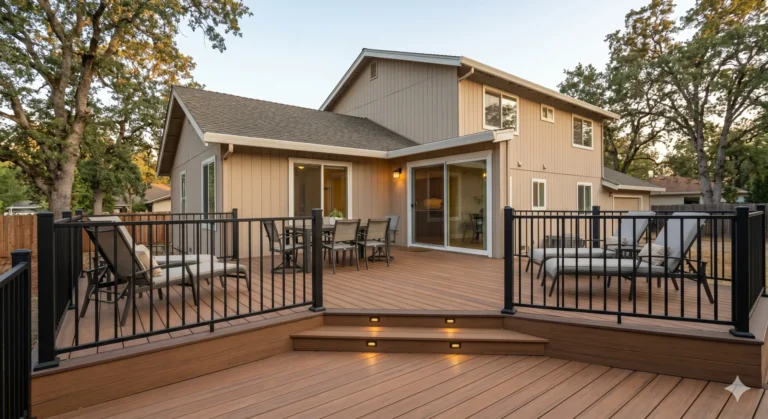
- Patios and outdoor living spaces
- Retaining walls
- Garage floors
- Pool decks
- Basement floors
- Concrete countertops
- Stairs and ramps
- Structural beams and columns
This makes concrete suitable for both structural support and decorative upgrades.
Most Popular Uses of Concrete in Home Remodeling

1. Concrete Foundations
Concrete foundations provide a stable base for homes, additions, and garages. They resist moisture, pests, and shifting soil.
2. Driveways & Walkways
Concrete driveways last longer than asphalt and require minimal maintenance. They can also be stamped, stained, or textured.
3. Patios & Outdoor Living Spaces
Concrete patios allow custom shapes, colors, and finishes for modern outdoor designs.
4. Concrete Slabs
Used for:
- Home additions
- Sheds
- Outdoor kitchens
- AC pads
5. Garage & Basement Floors
Concrete floors handle heavy loads and can be polished or coated for durability.
6. Retaining Walls
Concrete retaining walls help prevent soil erosion and improve landscaping.
Types of Concrete Used in Remodeling
Ready-Mix Concrete
Delivered to the job site and used for:
- Driveways
- Patios
- Slabs
Reinforced Concrete
Contains steel rebar for added strength. Used in:
- Foundations
- Load-bearing walls
- Structural work
Stamped Concrete
Designed to look like:
- Brick
- Stone
- Tile
- Wood
Perfect for decorative patios and driveways.
High-Performance Concrete
Used where durability and weather resistance are required.
Self-Leveling Concrete
Used for:
- Floor repair
- Surface leveling
- Renovation projects

Benefits of Using Concrete
Durability
Concrete can last 30–50+ years with proper installation.
Low Maintenance
Requires minimal upkeep compared to wood or pavers.
Design Flexibility
Can be:
- Colored
- Stamped
- Polished
- Textured
Weather Resistance
Handles heat, rain, and humidity better than many materials.
Cost Effective
Long lifespan reduces replacement costs.
Concrete Installation Process
1. Site Preparation
Ground is leveled and compacted.
2. Formwork Setup
Forms define shape and thickness.
3. Reinforcement
Steel rebar or mesh added for strength.
4. Pouring
Concrete is placed evenly.
5. Finishing
Surface smoothed or textured.
6. Curing
Concrete hardens over several days.
Where Concrete Performs Best
Concrete is ideal for:
- High traffic areas
- Outdoor surfaces
- Structural applications
- Wet environments
- Heavy load zones
Decorative Concrete Applications
Most competitors missed decorative use cases. These are highly searched:
- Stamped concrete patios
- Polished concrete floors
- Colored concrete driveways
- Exposed aggregate finishes
- Concrete countertops
- Concrete accent walls
These improve both appearance and durability.
Sustainable Benefits of Concrete
Concrete also offers environmental advantages:
- Long lifespan reduces waste
- Recyclable material
- Energy-efficient thermal mass
- Reduced maintenance materials
- Reflective surfaces lower heat absorption
When to Choose Concrete Over Other Materials
Choose concrete when you need:
- Long-term durability
- Minimal maintenance
- Custom design options
- Strong structural support
- Weather resistance
FAQs
What is concrete mainly used for?
Concrete is mainly used for foundations, driveways, patios, floors, and structural support in residential and commercial construction.
Is concrete good for home remodeling?
Yes. Concrete is ideal for remodeling because it is durable, customizable, and cost-effective.
How long does concrete last?
Properly installed concrete can last 30 to 50 years or more.
Is concrete better than pavers?
Concrete requires less maintenance and is more durable, while pavers offer easier repairs and more joint flexibility.
Can concrete be decorative?
Yes. Concrete can be stamped, colored, polished, or textured for decorative finishes.
Why Concrete Is Popular in Modern Remodeling
Concrete is widely used today because it combines:
- Strength
- Longevity
- Design flexibility
- Low maintenance
- Cost efficiency
These qualities make it one of the best materials for remodeling projects.