Boca Raton homeowners often ask the same thing every spring: can we remodel during hurricane season? Yes, you can. But the season runs six months, so your schedule needs a plan. A good plan protects your home, keeps your crew working, and limits storm delays. This guide shows how to time each project and what to ask your contractor.
Interior work fits hurricane season well. Think kitchens, bathrooms, flooring, and painting. Save projects that open the roof or walls to the weather for December through May. Pull permits early, order materials early, and put storm rules in writing.
When Hurricane Season Really Runs
NOAA states that the Atlantic hurricane season officially runs from June 1 through Nov. 30. The same NOAA page says the peak falls around September 10. Scientists set that date by averaging storm counts over 100 seasons.
The risk does not stop after the peak. NOAA also notes a secondary peak in mid-October. So do not treat November 1 as a safe start date. Plan around the full six months, and check the National Hurricane Center for current forecasts.
Projects That Suit Hurricane Season
Most work happens inside your home. That makes it easier to protect and easier to pause.
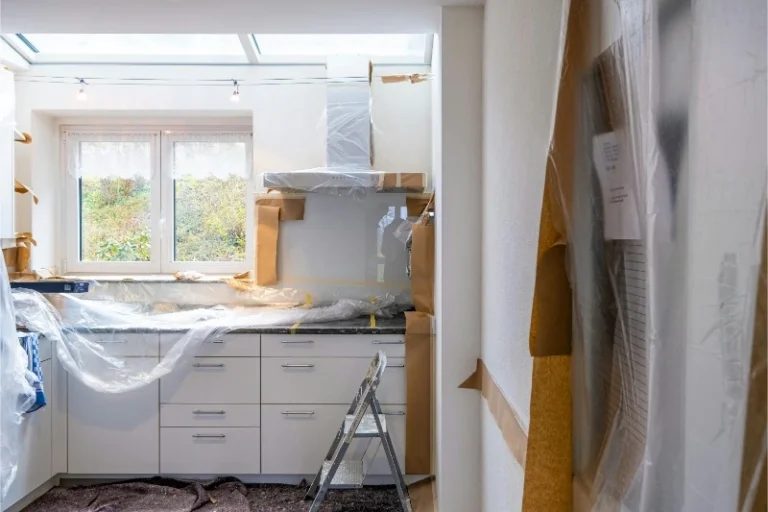
- Kitchens: Our residential kitchen remodeling projects typically run 6 to 16 weeks. A kitchen that starts in June often finishes before the peak.
- Bathrooms: Most bathroom remodels take 4 to 10 weeks. A tub-to-shower conversion or sink replacement is even quicker.
- Finish trades: Drywall, flooring, and painting are all interior jobs.
- Condos: A condo remodel mostly stays inside the unit. You still need association approval, so apply early.
Humidity matters in summer. Ask your contractor about moisture-resistant materials and drying times. Our guide to epoxy vs. cement grout explains one smart choice for South Florida baths.
Projects Better Left for December–May
Some work leaves your home open to wind and rain. Schedule these in the dry season when you can.
- Home additions: These usually take 4 to 9 months. A home addition started in June could sit unfinished at the peak. See our home addition cost guide for budget and flood-zone factors.
- Exterior and structural changes: New openings, roof work, and window or door swaps expose your home. Impact-rated products also carry lead times, so order them early.
- Large whole-home projects: A whole-home remodel often takes 3 to 9 months. Split it into phases. Do interior rooms in summer and exterior-facing work later.
Build a Hurricane-Smart Schedule
Follow these steps to keep your project on track.
- Start in winter. Meet your contractor between January and March. Early planning gives you more start dates to choose from.
- Apply for permits early. Many projects need permits and inspections. Our guide to electrical vs. plumbing permits shows how this works on a shower remodel.
- Order materials sooner. Cabinets, windows, and specialty tile can take weeks to arrive. Storms can slow shipping further.
- Add a time buffer. Ask for a schedule that allows a few weather days.
- Use our checklist. The bathroom checklist helps you track decisions before work begins.
What to Put in Your Contract
Do not leave storm rules to chance. Ask for these items in writing:
- Who secures the site when a hurricane watch is issued
- Where materials and tools will be stored
- How paused work affects the schedule and payments
- How weather-related changes will be priced and approved
- A written estimate with clear scope
Also check your contractor’s license through the Florida DBPR license portal. Use our renovation cost calculator to set a starting budget.
How to Prepare Your Site When a Storm Approaches
South Florida building departments enforce rules about loose construction materials and debris. Ask your contractor how your city applies them. Common steps include:
- Move tools, lumber, and supplies indoors or tie them down
- Empty or secure the dumpster
- Cover open areas and protect finished floors
- Photograph the work area before and after the storm
Meanwhile, follow the home steps at Ready.gov. Your family’s safety always comes before the project schedule.
After the Storm: Inspections and Repairs
Check the site once officials say it is safe. Look for water intrusion, damaged framing, and wet drywall. Soaked drywall often needs replacement, so call your contractor before anything gets covered.
Rebuilding also needs permits. Under Florida Statute 252.381(2), the City of Boca Raton Building Division publishes a post-storm permitting guide. It explains how the city plans to speed up permits and inspections after a storm. Keep your photos and contract handy, and call your insurer early.
Frequently Asked Questions
Can I remodel during hurricane season in Boca Raton? Yes. Interior projects like kitchens and bathrooms work well. Exterior and structural work is safer in the dry season.
What is the best time to start a remodel? Plan in winter and start interior work in late spring. A June start can finish a bathroom or small kitchen before the peak around September 10.
Will a storm delay my project? It can. Good contracts include weather days and site-securing duties. Ask about both before you sign.
Plan Your Remodel With a Local Team
A storm-aware schedule saves money and stress. Our team knows South Florida’s weather, permits, and building rules. Call (561) 896-9392 or request a free estimate to pick the right start date for your project.